
Why Regular Tire Rotations Matter for Your Vehicle
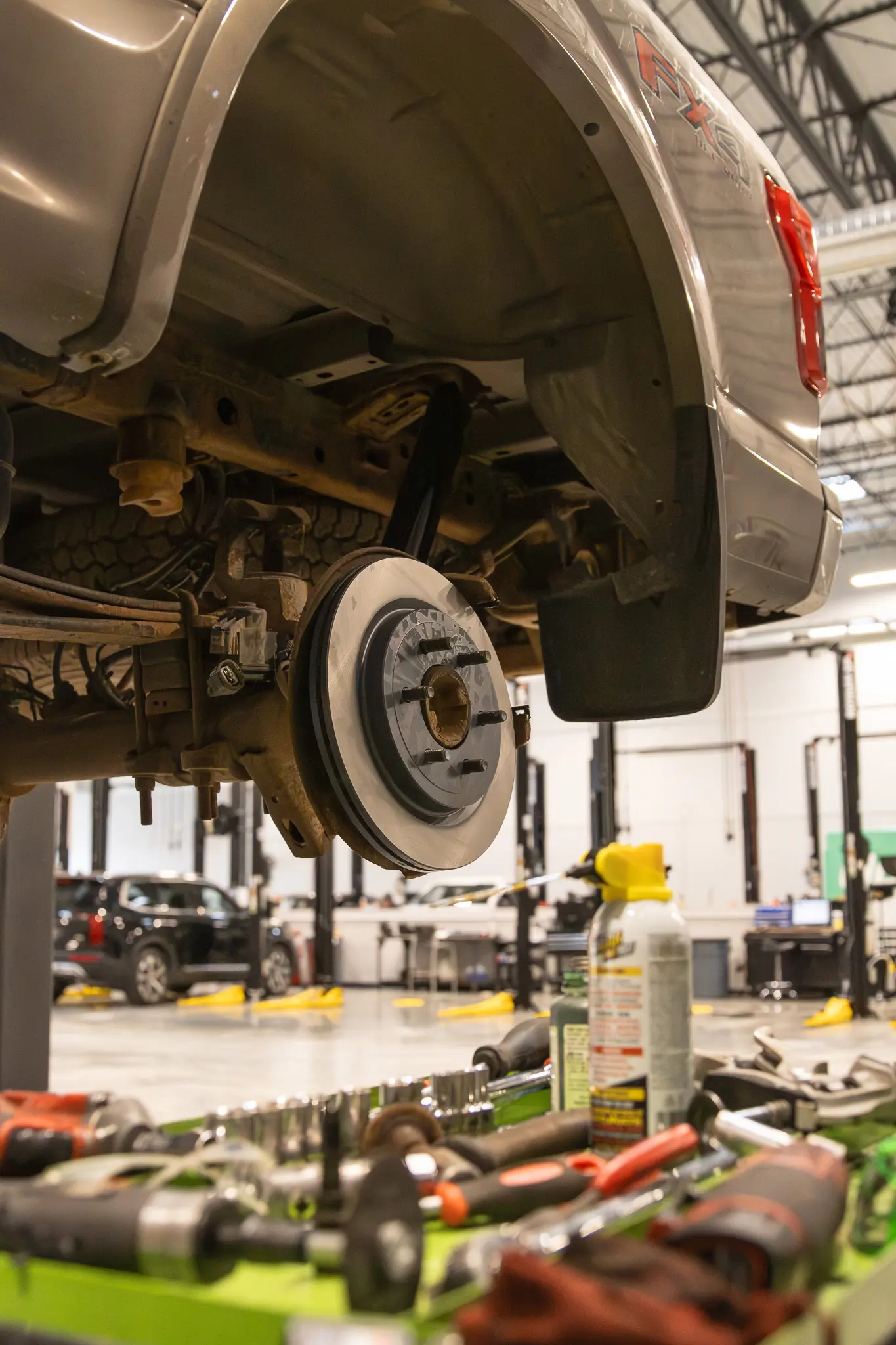
When you purchase a vehicle, protecting your automotive investment becomes a top priority. While most drivers are diligent about scheduling regular oil changes, another essential maintenance task often falls under the radar: routine tire rotations. Rotating your tires on a consistent schedule is one of the most effective and affordable ways to maximize your vehicle's safety, efficiency, and overall lifespan.
Understanding why tires wear out unevenly and how simple service visits can save you hundreds of dollars in the long run will help you keep your vehicle running smoothly for years to come.
Understanding How Tires Wear Unevenly
Tires do not wear down at the same rate across all four wheels. In fact, each wheel position on a vehicle experiences distinct physical stresses during daily driving.
The front tires usually endure significantly more wear and tear than the rear tires. In most vehicles, the front axle supports the weight of the engine and transmission. Additionally, the front tires bear the brunt of steering maneuvers and absorb a larger portion of the stopping force when you press the brake pedal.
Your vehicle's drivetrain also plays a major role in tire wear patterns. Front-wheel-drive vehicles apply engine power directly to the front wheels, accelerating tread wear on those two tires even faster. Rear-wheel-drive vehicles put power through the back tires, while all-wheel-drive systems distribute power differently depending on traction conditions. Over time, these variance factors lead to distinct wear patterns that can compromise performance if left unchecked.
Extending the Lifespan of Your Tires
Replacing a complete set of quality tires is a significant expense. Regular tire rotations systematically redistribute the wear across all four tires, allowing the tread to wear down evenly over time.
During a standard tire rotation, a certified technician moves each tire to a new position on the vehicle according to recommended rotation patterns. For example, front tires might move straight back to the rear axle, while rear tires cross over to opposite sides of the front axle. This shifting action ensures that no single tire remains in a high-stress position for too long.
By spreading friction and weight exposure evenly, you significantly extend the usable lifespan of the entire set. Instead of having to replace two worn-out front tires prematurely, you get to enjoy maximum miles out of all four tires together.
Enhancing Driving Safety and Vehicle Handling
Tires are your vehicle's sole point of contact with the road. Having consistent tread depth across all four wheels is vital for predictable handling, especially during unexpected driving situations or hazardous weather conditions.
When tire tread wears down unevenly, it negatively affects your vehicle's traction. In wet weather, uneven tread can impair the tires' ability to channel water away from the rubber, increasing the risk of hydroplaning and loss of control. Furthermore, uneven tread depth can cause your vehicle to pull to one side while driving or braking, creating steering instability.
Rotating your tires maintains uniform grip and balance. This translates to better cornering control, shorter stopping distances, and improved stability whether you are navigating city streets or cruising on the highway.
Protecting Surrounding Suspension and Drive Components
Uneven tire wear does not just damage the tires themselves; it can also create extra strain on other critical vehicle components. When tires wear irregularly, they can become out of balance or develop uneven wear patterns known as cupping or feathering.
These irregularities generate excess vibration while driving. Over time, this constant vibration puts unnecessary stress on your wheel bearings, shocks, struts, and steering linkages. By keeping your tires wearing evenly through routine rotations, you protect your suspension system from premature wear, helping you avoid costly steering and suspension repairs down the road.
Improving Fuel Efficiency and Savings
Driving on unevenly worn tires increases rolling resistance, which refers to the effort required to keep your tires moving forward. When rolling resistance increases, your engine must work harder and burn more fuel to maintain speed.
Regular tire rotations help maintain balanced contact patches between your tires and the road surface. Optimal contact reduces unnecessary friction and engine workload, helping you achieve the best possible fuel economy. Over thousands of miles, the fuel savings gained from maintaining even tire wear can easily add up to meaningful dollars saved at the pump.
How Often Should You Rotate Your Tires?
As a general rule, automotive experts recommend rotating your tires every 5,000 to 7,500 miles. A simple way to stay on schedule is to request a tire rotation every time you bring your vehicle in for a routine synthetic oil change.
However, recommended intervals can vary based on your specific vehicle model, driving habits, and tire type. Performance tires, aggressive truck tires, or driving frequently on rough roads may require more frequent rotation schedules. Checking your owner's manual or consulting with a trusted technician will help you establish the ideal routine for your car.
Experience the Clement Difference in Vehicle Care
Taking proactive care of your vehicle is the key to enjoying a safe, dependable, and economical driving experience. At Clement Auto Group, we believe in providing our customers with high-quality pre-owned vehicles and the reliable service needed to keep them performing at their best.
If it has been a while since your last tire rotation or if you notice signs of uneven tread wear, schedule a service appointment with our knowledgeable team. We are here to help you get the most value and performance out of your vehicle for every mile ahead.