What to Check Before Buying a Used Car?
Buying a used car can be a smart financial decision, especially for drivers looking to save money while still getting a reliable vehicle. However, purchasing a pre-owned vehicle also comes with risks if buyers fail to inspect important details before making a decision.
A vehicle may look clean and well-maintained at first glance, but hidden mechanical issues, accident history, or poor maintenance records can lead to expensive problems later. Understanding what to check before buying a used car can help drivers make more informed decisions and avoid costly mistakes.
Start With the Vehicle History Report
One of the first things buyers should review is the vehicle history report. This report provides important information about the vehicle’s background, including accident history, title status, ownership records, service history, and mileage records.
A clean history report can help create more confidence in the vehicle’s condition and long-term reliability. On the other hand, vehicles with salvage titles, flood damage, major accidents, or mileage inconsistencies may carry additional risks.
The history report also helps buyers understand how the vehicle was previously used. For example, a former rental or fleet vehicle may have experienced heavier use compared to privately owned vehicles.
Reviewing the vehicle history report before purchasing helps buyers avoid surprises after the sale.
Inspect the Exterior Carefully
The exterior condition of a used vehicle can reveal signs of previous damage, poor repairs, or neglect. Buyers should carefully examine the body panels, paint condition, headlights, taillights, and windows.
Uneven paint color, gaps between panels, or overspray may indicate previous collision repairs. Small dents and scratches are common on used vehicles, but larger damage may suggest more serious issues.
Rust is another important concern, especially around wheel wells, undercarriages, and door frames. Surface rust may be manageable, but severe rust can affect the structural integrity of the vehicle over time.
Checking tire condition is also important. Uneven tire wear may indicate alignment problems, suspension issues, or improper maintenance.
Check the Interior Condition
The interior can reveal how well the vehicle was cared for by previous owners. Buyers should inspect the seats, dashboard, carpets, electronics, air conditioning system, and infotainment features.
Excessive wear, stains, strong odors, or damaged controls may indicate neglect or hidden problems. Water damage signs, such as mold, mildew smells, or stained carpeting, may suggest previous flood exposure.
Testing all interior features is essential. Buyers should confirm that power windows, locks, lights, backup cameras, navigation systems, Bluetooth connectivity, and climate controls function properly.
Interior condition not only affects comfort but may also reflect overall vehicle maintenance habits.
Examine the Engine and Under the Hood
Even buyers without mechanical expertise can still look for warning signs under the hood. Leaks, corrosion, cracked hoses, or excessive dirt buildup may indicate poor maintenance.
Fluid levels and condition should also be checked. Oil, coolant, brake fluid, and transmission fluid should appear clean and properly maintained.
Burning smells, unusual engine noises, or visible smoke during startup may signal larger mechanical concerns.
If possible, buyers should arrange for a trusted mechanic to perform a pre-purchase inspection. A professional inspection can help identify hidden issues that may not be obvious during a standard test drive.
Take the Vehicle for a Test Drive
A test drive is one of the most important steps when buying a used car. During the drive, buyers should pay attention to acceleration, braking, steering response, suspension comfort, and overall driving performance.
Unusual noises, vibrations, delayed shifting, or warning lights may indicate underlying mechanical problems. The steering should feel stable and responsive, while the brakes should operate smoothly without shaking or pulling.
Testing the vehicle at different speeds and road conditions can provide a better understanding of its overall condition.
Drivers should also check for comfort, visibility, seating position, and technology usability during the test drive.
Review Maintenance and Service Records
Maintenance history plays a major role in long-term reliability. Vehicles with documented oil changes, tire rotations, brake service, and scheduled maintenance often perform better over time.
Consistent maintenance records suggest responsible ownership and may reduce the likelihood of major mechanical problems.
Buyers should ask whether major repairs or part replacements have already been completed, including brakes, tires, batteries, or timing belts.
A vehicle with strong maintenance history may justify a higher asking price because it reduces future repair risks.
Compare Pricing With Market Value
Before purchasing a used vehicle, buyers should compare pricing with current market values. Online valuation tools can help determine whether the asking price aligns with the vehicle’s age, condition, mileage, and market demand.
Pricing that appears unusually low may indicate hidden issues or undisclosed damage. On the other hand, higher-priced vehicles may still offer good value if they include strong maintenance history, low mileage, and clean vehicle reports.
Understanding current market pricing helps buyers negotiate more confidently.
Consider Dealership Reputation
Where a vehicle is purchased matters just as much as the vehicle itself. Reputable dealerships often provide more transparency, detailed vehicle information, financing assistance, and inventory options.
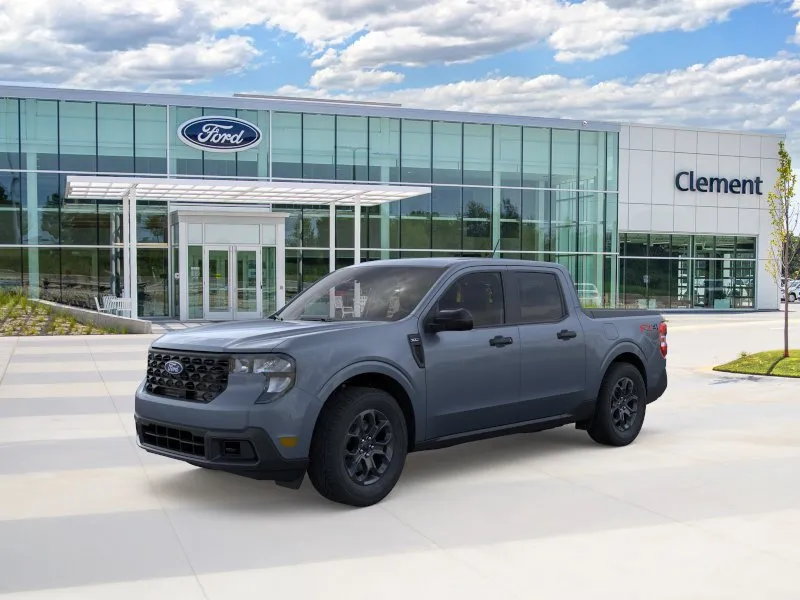
Dealerships likeClement Auto Group help drivers explore quality pre-owned inventory while providing vehicle information and support throughout the buying process.
Working with a trusted dealership can help buyers feel more confident about their purchase decision.
Make a More Confident Used Car Purchase
Buying a used car requires careful research, inspections, and evaluation before making a final decision. Reviewing vehicle history reports, inspecting condition, testing performance, and checking maintenance records can help buyers avoid expensive surprises later.
Drivers searching for reliable pre-owned vehicles can explore available inventory and financing options at Clement Auto Group. Taking time to inspect and evaluate a used vehicle carefully can lead to a smarter and more confident purchase.